Long-distance travel is a normal part of life for many Australians, whether for work, family commitments, or holidays. While the excitement of arriving somewhere new can be energising, the physical realities of travel often tell a different story. Long-haul flights, changes in time zones, disrupted sleep, reduced hydration, and limited access to nutritious meals can all leave you feeling unusually tired or sluggish. As a result, many people look for supportive ways to help their body recover after travelling.
One option used in Australia is IV vitamin therapy, available through medical clinics such as ours, offering IV therapy in Melbourne. While IV therapy is not a treatment for jet lag itself, it may offer hydration and nutrient support that some people find helpful as part of their post-travel routine. This article explains what jet lag is, why travel affects energy levels, and how IV vitamin therapy fits into a broader recovery plan.
Why Travel Can Affect Hydration and Energy Levels
Flying places several demands on the body. Aircraft cabins have significantly lower humidity levels than everyday environments, which increases the likelihood of mild dehydration. Even with regular water intake, the combination of dry air, limited movement, caffeine, and alcohol can make it difficult to maintain normal hydration.
Energy levels are also affected during long flights. Meals may be irregular or lower in nutrient density, sleep is often fragmented, and changes in posture or prolonged sitting can leave the body feeling stiff or restless. These factors together make it common to feel unusually fatigued after arriving at your destination, especially when crossing multiple time zones.
What Jet Lag Actually Does to the Body Clock
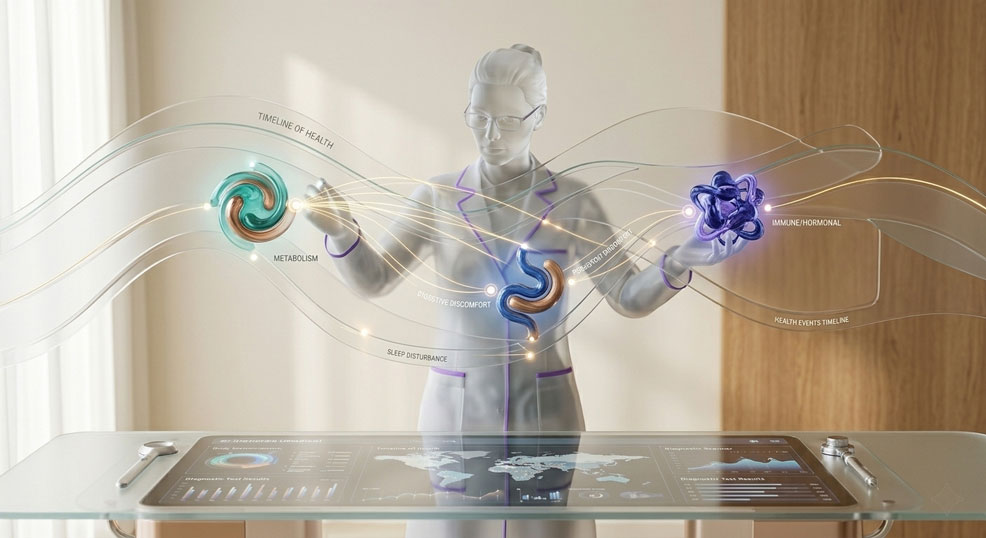
Jet lag occurs when your internal body clock, or circadian rhythm, no longer matches the external time at your destination. This internal clock regulates sleep, hormones, digestion, and energy levels. When it becomes disrupted, the effects can be noticeable.
Symptoms commonly associated with jet lag include:
- Difficulty falling asleep at the local bedtime
- Daytime sleepiness or lack of alertness
- Slower thinking or reduced concentration
- Mood changes or irritability
- Digestive discomfort due to eating at unusual times
Adjusting your body clock takes time. Exposure to natural light, establishing a regular sleep schedule, and eating meals at consistent times all play significant roles in recalibrating the circadian rhythm.
Understanding IV Vitamin Therapy and Its Purpose
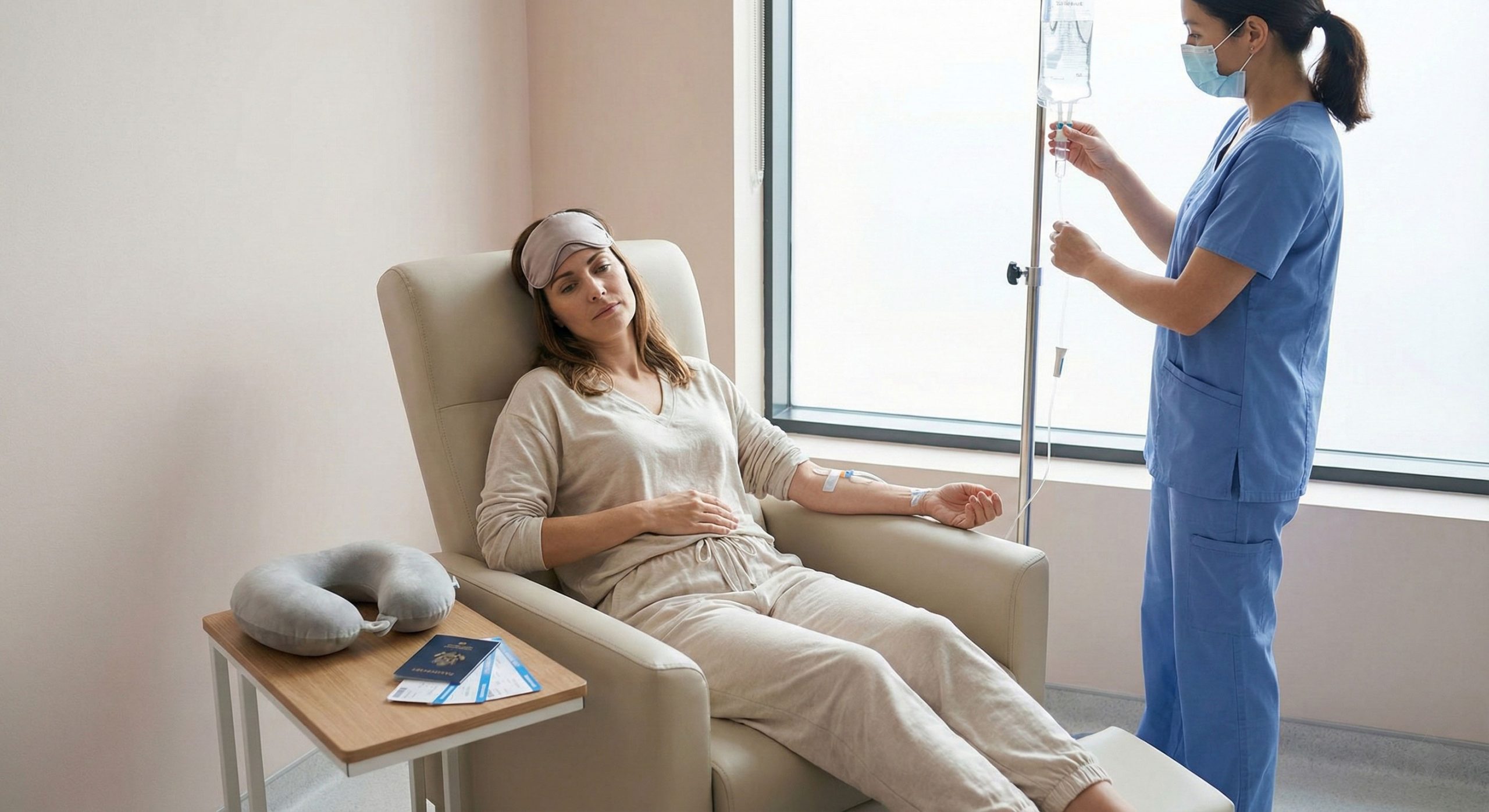
IV vitamin therapy is a medically supervised service where hydration and nutrients are delivered directly into the bloodstream through an intravenous drip. It typically includes a saline solution to support hydration and may contain vitamins or electrolytes selected based on general well-being goals.
IV therapy is used by some people after long flights to support their hydration and nutrient intake. It is not a cure for jet lag, nor does it adjust circadian rhythms. Instead, it may complement the body’s natural recovery following travel by restoring fluid balance, supporting energy metabolism, and replenishing nutrients that may have been lacking during the flight.
Hydration Support After Long Flights
Because aircraft cabins are dry and travellers may drink less water than usual, rehydration after flying can be helpful. IV therapy offers a structured way to replenish fluids under clinical supervision.
Common travel-related hydration challenges include:
- Limited access to water during the flight
- Increased caffeine or alcohol intake
- Low cabin humidity
- Interrupted sleep affecting natural hydration cues
Hydration plays a key role in physical comfort, cognitive clarity, and general well-being, and restoring fluid levels after travel may help people feel more settled as they adjust to a new environment or return home.
Nutrient Replenishment to Support Post-Travel Recovery
During travel, nutrient intake may be lower than usual due to restricted food choices, irregular meals, or reliance on snacks. IV therapy may include nutrients such as B-group vitamins, vitamin C, or electrolytes, all of which are involved in energy production, hydration, and general well-being.
Replenishing nutrients does not eliminate jet lag, but it may support recovery by helping the body return to its normal processes after several hours or days of disruption. For some people, this aligns well with restoring routine, rehydrating, and adjusting sleep patterns.
Supporting Energy Levels and General Well-being After Travel
Jet lag affects how the body regulates energy throughout the day. When sleep is disrupted, the body’s natural rhythms become confused, which can affect mood, focus, digestion, and overall vitality.
Hydration, rest, and good nutrition are essential for supporting energy levels after travel. IV vitamin therapy may complement these measures by providing hydration and nutrients in a controlled clinical setting. It is one of several supportive options travellers may use, alongside lifestyle measures such as:
- Spending time in natural light to reset circadian rhythms
- Eating balanced, regular meals
- Re-establishing a sleep routine that matches local time
- Incorporating gentle movement to reduce stiffness and improve circulation
Evidence and Limitations of IV Therapy for Jet Lag
While IV therapy may support hydration and nutrient intake, high-quality research specifically examining its effects on jet lag is limited. Most of the benefits described are related to supporting general well-being rather than directly addressing circadian disruption.
It is important to understand that IV vitamin therapy:
- Does not reset the body clock
- Does not replace rest, sleep timing, or light exposure
- Should not be considered a remedy for jet lag
Instead, it may be one part of a broader recovery plan that helps the body readjust after long-distance travel.
Who May Consider IV Vitamin Therapy After Travel
Some people choose IV vitamin therapy after a long journey because they prefer a structured hydration option or feel they have not eaten or slept well during travel. Frequent travellers, those returning from long-haul flights, or individuals experiencing general post-travel fatigue may enquire about IV therapy as part of their recovery routine.
Suitability always depends on personal health circumstances, and a healthcare professional will assess whether IV therapy is appropriate.
When IV Vitamin Therapy May Not Be Appropriate
IV therapy is not suitable for everyone. Individuals with certain medical conditions may need alternative forms of support or require additional medical review before undergoing IV therapy. This may include people with:
- Heart or kidney conditions
- Circulatory issues
- Certain chronic illnesses
- Pregnancy or breastfeeding considerations
- Active infections
- Specific medication requirements
A clinician will assess suitability during the consultation to ensure safety and appropriateness.
How IV Therapy Fits Into a Holistic Post-Travel Routine
Recovering from jet lag typically requires a combination of hydration, rest, consistent meal times, sleep hygiene, and light exposure. IV vitamin therapy may complement these strategies by providing hydration and nutrient support in a clinical environment.
A holistic approach to post-travel recovery recognises that the body needs time to adjust. Establishing healthy routines, resting adequately, staying hydrated, and eating well are all central to restoring balance after travelling.
Safety, Professional Oversight, and What to Expect During a Session
IV vitamin therapy is delivered by trained healthcare professionals. During a session, a clinician will carry out a consultation to discuss your health, hydration status, and suitability for the infusion. If appropriate, the IV drip is administered in a comfortable environment, and the session is supervised throughout.
After the infusion, general well-being advice may be offered, such as continuing to hydrate, resting, and gradually re-establishing routine. Since IV therapy is not a treatment for medical conditions, any ongoing symptoms after travel should be discussed with a GP or relevant health professional.
Frequently Asked Questions
Q1: What causes jet lag when travelling long distances?
Jet lag occurs when circadian rhythms become misaligned with local time, affecting sleep, mood, digestion, and energy levels.
Q2: Can IV vitamin therapy help me feel better after a long flight?
IV therapy may support hydration and nutrient intake, which some people find helpful after travel. It does not cure jet lag or reset the body clock.
Q3: Is IV therapy safe for frequent travellers?
IV therapy is delivered under clinical supervision. Suitability depends on individual health factors, and a clinician will advise whether it is appropriate.
Q4: How soon after flying can someone consider IV therapy?
This varies between individuals. A consultation with a healthcare provider can help determine if and when IV therapy may be suitable after travel.
Q5: Do I still need rest and hydration if I choose IV therapy?
Yes. Rest, sleep routines, hydration, and natural light exposure remain essential for recovering from jet lag.
Disclaimer
This article is for general informational purposes only and does not replace professional medical advice, diagnosis, or treatment. Always speak with a qualified healthcare provider for guidance tailored to your individual health needs.