Dermal fillers are injectable treatments used in aesthetic medicine to adjust facial volume and contour. As facial structure changes over time, some people notice differences in areas such as the lips, cheeks, or jawline. Dermal fillers are one option doctors may discuss with patients who are interested in cosmetic treatments designed to influence these areas.
Unlike anti wrinkle injections, which affect muscle activity, dermal fillers work by adding volume beneath the skin. This can influence facial contours and proportions in specific regions.
In Australia, cosmetic injectable procedures are typically performed in clinical environments where treatment suitability is assessed before any injections take place. Healthcare professionals review medical history, facial anatomy, and patient goals before determining whether a treatment is appropriate. In cities such as Melbourne, clinics providing dermal filler treatments available in Melbourne generally begin with this type of consultation so that treatment planning can be based on individual anatomy and clinical assessment.
Understanding how dermal fillers work can help patients discuss treatment options with a qualified healthcare professional and develop realistic expectations about what the procedure involves.
What Dermal Fillers Are
Dermal fillers are injectable substances used to add or restore volume beneath the skin. They are commonly used in aesthetic medicine to adjust facial contours or address changes in facial structure that may occur over time.
During treatment, small amounts of filler are placed beneath the skin in targeted areas. This can influence the shape or structure of certain facial features depending on where the filler is injected.
Treatment planning is individualised. Doctors consider the patient’s facial anatomy, skin characteristics, and treatment goals before recommending any procedure. The approach used for one patient may differ from another because facial structure and aesthetic preferences vary.
What Dermal Fillers Are Made Of
Dermal fillers contain materials designed to add volume beneath the skin. Different filler products may contain different substances, and the choice of product depends on the treatment area and the goals of the procedure.
These materials are designed to integrate with facial tissue in order to create structural support or volume in specific regions of the face. Some fillers are softer and may be selected for areas where flexibility is important, while others are designed to provide more structural support.
The selection of a particular filler product is determined during consultation. Healthcare professionals consider the treatment area, the patient’s anatomy, and the characteristics of the filler product when developing a treatment plan.
How Dermal Fillers Work Beneath the Skin
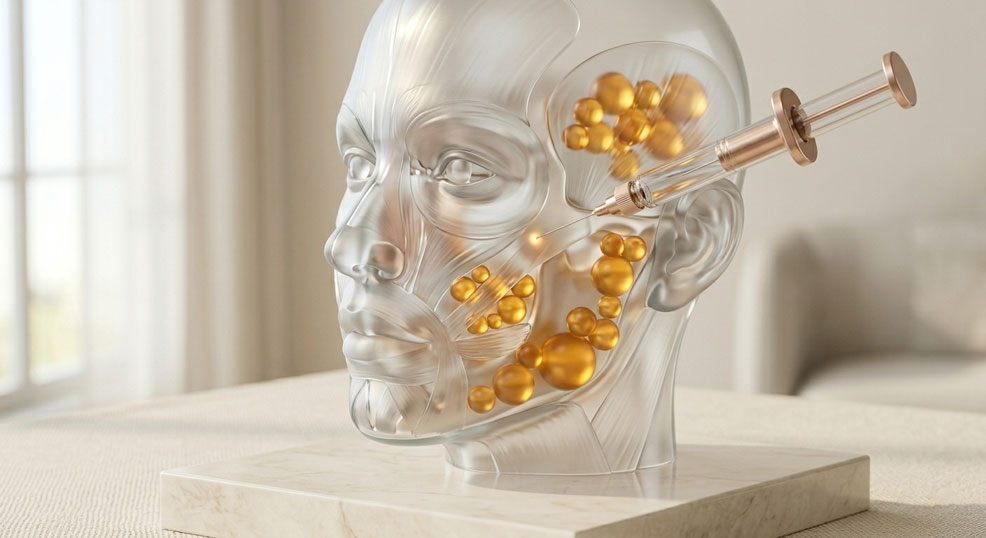
Dermal fillers work by adding volume beneath the skin. When injected into specific areas, the filler material occupies space within the tissue and can influence the contour or structure of that area.
For example, placing filler beneath the skin may change the appearance of facial contours by supporting areas where volume has changed over time. The exact effect depends on the placement of the filler and the characteristics of the product used.
Because fillers are placed carefully in targeted locations, treatment focuses on specific areas rather than the entire face. The overall goal is usually to adjust proportions or restore structural support in selected regions.
Why Facial Volume Changes Over Time
Facial structure naturally changes over time. Several factors contribute to these changes, including shifts in soft tissue volume and alterations in skin structure.
As people age, the distribution of fat and connective tissue in the face may gradually change. Skin elasticity may also decrease over time, which can affect the way facial features appear.
These changes can influence areas such as the cheeks, lips, and jawline. In some cases, these structural changes lead individuals to explore aesthetic treatments that may help adjust facial contours.
Understanding these natural processes can help explain why certain areas of the face may appear different over time.
Lip Fillers Explained
Lip fillers are used in aesthetic medicine to adjust the volume or shape of the lips. Treatment may involve adding volume to the lips or adjusting the contour of the lip border.
During treatment planning, doctors consider the patient’s natural lip shape and how the lips relate to the rest of the face. Lip proportions vary widely between individuals, so treatment approaches are tailored accordingly.
Some patients seek lip fillers to address volume changes, while others may wish to adjust the shape or balance of the lips. The treatment plan is based on consultation and clinical assessment.
Cheek Fillers Explained
The cheeks play an important role in overall facial structure. Changes in cheek volume can influence the appearance of the mid-face and the way light and shadow fall across facial contours.
Cheek fillers are sometimes used to restore volume in this region or to support cheek structure. By placing filler in targeted areas, doctors may adjust the contour of the mid-face.
Treatment planning for cheek fillers takes several factors into account, including bone structure, facial symmetry, and the patient’s overall facial proportions.
Jawline Fillers Explained
Jawline fillers are used to influence the contour of the lower face. The jawline contributes to the overall shape and balance of the face, and changes in this area can affect facial proportions.
Dermal fillers may be placed along the jawline to adjust its definition or contour. The exact placement of filler depends on the patient’s anatomy and the goals discussed during consultation.
Because the lower face varies significantly between individuals, treatment planning is based on a careful assessment of facial structure.
What Happens During a Dermal Filler Consultation
Consultation is an important step before cosmetic injectable treatments. During this appointment, the healthcare professional reviews the patient’s medical history and assesses facial anatomy.
Patients may be asked about previous cosmetic treatments, medications, or health conditions that could influence treatment decisions. The doctor may also observe facial structure and discuss the patient’s goals for treatment.
This process helps determine whether dermal filler treatment is appropriate and allows the doctor to develop a personalised treatment plan.
What Happens During a Dermal Filler Procedure
Dermal filler treatments are performed using small injections placed beneath the skin in targeted areas. The injections are carefully positioned according to the treatment plan developed during consultation.
Depending on the treatment area, the practitioner may use either a fine needle or a specialised cannula. The technique used is chosen based on the location of the injection and the characteristics of the filler product.
The number of injections and the areas treated vary depending on the individual treatment plan. The procedure is typically completed during a clinic appointment.
How Long Dermal Fillers Typically Last
Dermal fillers produce temporary effects. Over time, the filler material gradually changes as the body processes it.
The duration of results varies between individuals. Factors such as the treatment area, the type of filler used, and individual biological differences can influence how long the effects remain visible.
Some people choose to repeat treatment after a period of time following consultation with their healthcare professional.
Are Dermal Fillers Permanent
Many dermal fillers are designed to produce temporary results. Over time, the body gradually processes the filler material.
Because the effects are not permanent, some patients choose to have additional treatments after consultation with their doctor. The timing of repeat treatments depends on several factors, including the treatment area and the individual response to the filler.
Understanding that dermal fillers are generally temporary can help patients develop realistic expectations about treatment outcomes.
Safety and Medical Supervision
Cosmetic injectable treatments require knowledge of facial anatomy and clinical technique. For this reason, dermal filler procedures are performed in medical environments where healthcare professionals can assess suitability and administer treatment appropriately.
Medical consultation helps identify factors that may influence treatment decisions and allows the practitioner to discuss potential risks and considerations with the patient.
Receiving treatment in a clinical setting ensures that procedures are performed under appropriate medical supervision.
Why Individual Assessment Matters
Every face has unique anatomical features. Factors such as bone structure, skin characteristics, and facial proportions vary widely between individuals.
Because of these differences, cosmetic treatments must be tailored to each patient. A treatment plan that is appropriate for one person may not be suitable for another.
Consultation allows healthcare professionals to assess these individual factors and determine whether dermal filler treatment is appropriate.
FAQ’s
Q1: What are dermal fillers used for?
Dermal fillers are injectable treatments used in aesthetic medicine to add volume beneath the skin and influence facial contours in specific areas.
Q2: What are dermal fillers made of?
Dermal fillers contain materials designed to create volume or structural support beneath the skin. Different filler products may contain different substances depending on the treatment area.
Q3: How do dermal fillers work?
Dermal fillers are injected beneath the skin where they add volume or support to specific areas of the face. This can influence facial contour and structure.
Q4: What areas of the face can dermal fillers treat?
Dermal fillers are commonly used in areas such as the lips, cheeks, and jawline, although treatment planning depends on individual anatomy.
Q5: How long do lip, cheek, and jawline fillers usually last?
Dermal fillers produce temporary effects. The duration varies depending on the treatment area, the filler product used, and individual factors.
Q6: Are dermal fillers suitable for everyone?
Not all treatments are appropriate for every individual. Suitability for dermal fillers is determined during consultation with a qualified healthcare professional.
Medical Disclaimer
This article is for educational purposes only and does not constitute medical advice. Individual health concerns should always be discussed with a qualified healthcare professional.