Cells rely on continuous biochemical reactions to convert nutrients into energy that supports normal physiological processes. These reactions occur in every tissue of the body and are essential for functions such as muscle activity, brain signalling, and cellular repair. One molecule involved in many of these reactions is NAD.
NAD, short for nicotinamide adenine dinucleotide, is present in all living cells. It acts as a coenzyme that helps drive metabolic reactions involved in energy production. Because NAD participates in processes that allow cells to generate and transfer energy, it has become an important topic in research related to metabolism, ageing, and cellular function.
Research into NAD and cellular metabolism has led to clinical treatments where the molecule is administered in supervised medical environments. In clinical practice, treatments involving NAD are sometimes delivered in supervised medical settings. In Melbourne, patients considering NAD infusion therapy in Melbourne typically undergo consultation and medical assessment before treatment is planned.
Because NAD participates in many metabolic reactions, it is frequently discussed in research related to cellular energy and metabolism.
What NAD Is
NAD stands for nicotinamide adenine dinucleotide. It is a coenzyme found in cells throughout the body and plays a central role in metabolic reactions.
Coenzymes are molecules that assist enzymes in carrying out biochemical reactions. In the case of NAD, the molecule participates in reactions that allow cells to process nutrients and generate energy.
NAD exists in two primary forms: NAD⁺ and NADH. These forms participate in oxidation–reduction reactions, often referred to as redox reactions, which allow electrons to be transferred during metabolic processes. These reactions are fundamental to the body’s ability to convert nutrients such as carbohydrates and fats into usable cellular energy.
Because NAD is involved in many essential metabolic reactions, it is considered a key component of cellular metabolism.
What NAD Does in the Body
NAD plays several important roles in biological processes within the body. One of its primary functions is acting as a carrier molecule that transfers electrons between biochemical reactions.
During metabolic processes, nutrients are broken down into smaller molecules. NAD participates in these reactions by accepting and transferring electrons, allowing energy to be released and used by cells.
Through these reactions, NAD contributes to processes such as:
- converting nutrients into cellular energy
- supporting metabolic reactions within cells
- participating in pathways involved in cellular repair and maintenance
Because these reactions occur in nearly every cell of the body, NAD is considered a central molecule in cellular biology.
How NAD Supports Cellular Energy Production
One of the most widely discussed roles of NAD is its involvement in cellular energy production. Cells produce energy through metabolic pathways that break down nutrients and convert them into energy-rich molecules.
NAD participates in several stages of this process. During metabolic reactions, NAD accepts electrons from other molecules and carries them to different parts of the cell where energy production occurs.
These reactions contribute to the generation of ATP, or adenosine triphosphate. ATP is often described as the primary energy currency of cells because it stores and transfers energy needed for cellular activities.
Without molecules such as NAD to assist in these reactions, the processes that allow cells to generate energy would not function efficiently.
The Relationship Between NAD and Mitochondria
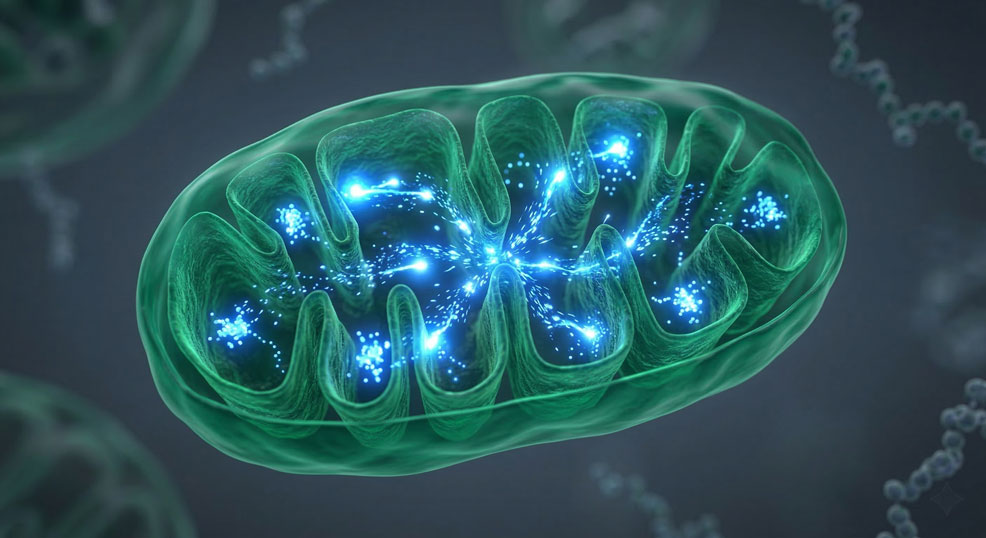
Many reactions involving NAD take place in the mitochondria. Mitochondria are structures found inside cells that play a central role in energy production.
Within mitochondria, NAD participates in metabolic pathways that contribute to ATP generation. These pathways involve multiple steps in which electrons are transferred between molecules, allowing energy to be released and stored.
NAD functions as a carrier molecule during these reactions. By accepting and transferring electrons, it helps drive the biochemical processes that enable cells to produce energy.
Because mitochondria are present in most cells of the body, the relationship between NAD and mitochondrial function is an important aspect of cellular metabolism.
Why Cellular Energy Is Important for the Body
Every biological process in the body requires energy. Cellular energy supports functions ranging from muscle contraction to nerve signalling and tissue repair.
Cells constantly produce ATP to meet the energy demands of the body. Organs with high energy requirements, such as the brain and muscles, rely heavily on efficient cellular metabolism.
Processes supported by cellular energy include:
- muscle movement and coordination
- neurological signalling and brain activity
- cellular maintenance and repair
- synthesis of biological molecules
Because these functions occur continuously, cells must constantly generate energy to maintain normal physiological activity.
How NAD Levels May Change Over Time
Research has suggested that levels of certain molecules involved in metabolism, including NAD, may change over time. Factors such as ageing, metabolic processes, and lifestyle variables may influence cellular metabolism.
Scientists continue to study how NAD levels interact with biological processes related to ageing and cellular function. This research has generated interest in understanding how NAD participates in metabolic pathways and cellular repair mechanisms.
Although research in this area is ongoing, the relationship between NAD and metabolic processes remains an active topic of scientific investigation.
NAD and Cellular Metabolism
Cellular metabolism refers to the chemical reactions that allow cells to convert nutrients into energy and other essential molecules. NAD plays a central role in these reactions.
During metabolism, nutrients such as glucose and fatty acids are broken down through a series of biochemical pathways. NAD participates in these pathways by carrying electrons from one reaction to another.
This electron transfer allows energy to be released and captured in the form of ATP. In addition to supporting energy production, NAD is also involved in reactions that contribute to cellular maintenance and regulatory processes.
Because of its involvement in multiple metabolic pathways, NAD is considered a key molecule in the body’s biochemical systems.
What NAD Therapy Is
In some clinical settings, NAD may be administered as part of treatments delivered under medical supervision. These treatments are sometimes referred to as NAD therapy.
One approach involves intravenous administration, where NAD is delivered through an infusion in a clinical environment. The use of intravenous delivery allows healthcare professionals to administer the treatment in a controlled setting.
Suitability for NAD therapy is determined through consultation with a healthcare professional. During this assessment, medical history, health status, and individual factors are reviewed before treatment is considered.
What Happens During a NAD Infusion Appointment
When NAD is administered through an infusion, the treatment typically takes place in a clinical setting under supervision.
Before the infusion begins, patients usually undergo consultation with a healthcare professional. This may involve reviewing medical history, discussing health concerns, and assessing whether the treatment may be appropriate.
During the infusion, NAD is delivered through an intravenous line over a period of time while the patient is monitored. Treatment protocols may vary depending on the clinical setting and the individual circumstances of the patient.
Medical supervision allows healthcare professionals to monitor the treatment and address any questions or concerns that arise during the process.
Why Medical Assessment Is Important
Medical assessment is an important step before treatments involving NAD are considered. Healthcare professionals review factors such as medical history, current medications, and overall health status.
This process helps determine whether a treatment may be suitable for the individual and allows the practitioner to discuss potential considerations with the patient.
Because treatments involving intravenous infusions are performed in clinical environments, assessment and supervision are important components of the treatment process.
Research and Ongoing Study of NAD
NAD continues to be the subject of scientific research across several areas of biology and medicine. Researchers are studying its role in metabolism, cellular repair processes, and age-related biological changes.
Laboratory and clinical studies have explored how NAD participates in metabolic pathways and regulatory mechanisms within cells. This research contributes to a growing understanding of how cellular energy systems function.
As scientific investigation continues, knowledge about NAD and its role in cellular biology continues to expand.
FAQ’s
Q1: What does NAD stand for?
NAD stands for nicotinamide adenine dinucleotide. It is a coenzyme present in cells that participates in metabolic reactions involved in energy production.
Q2: What role does NAD play in cellular energy production?
NAD acts as a carrier molecule in biochemical reactions that convert nutrients into energy. It helps transfer electrons during metabolic processes that contribute to ATP production.
Q3: Why is NAD important for metabolism?
NAD participates in metabolic pathways that allow cells to process nutrients and generate energy. These reactions support essential biological functions throughout the body.
Q4: Do NAD levels change as people age?
Research suggests that NAD levels may change over time, although this area continues to be studied. Scientists are investigating how these changes relate to metabolism and cellular function.
Q5: What is NAD infusion therapy?
NAD infusion therapy involves administering NAD through an intravenous infusion in a clinical setting under medical supervision.
Q6: Why is a medical consultation required before NAD therapy?
Consultation allows healthcare professionals to review medical history, assess suitability for treatment, and discuss individual considerations before any therapy is planned.
Medical Disclaimer
This article is for educational purposes only and does not constitute medical advice. Individual health concerns should always be discussed with a qualified healthcare professional.