Postpartum recovery is a distinct phase of health that begins after childbirth and continues well beyond the early weeks at home with a newborn. While pregnancy often receives significant attention, the period that follows birth involves its own physical, emotional, and lifestyle adjustments. Recovery during this time looks different for every individual and is influenced by many factors, including the birth experience, sleep patterns, support networks, and overall health before pregnancy.
In Australia, and particularly across Victoria, many women seek ongoing support during this phase to help them navigate recovery in a way that aligns with their personal health needs.
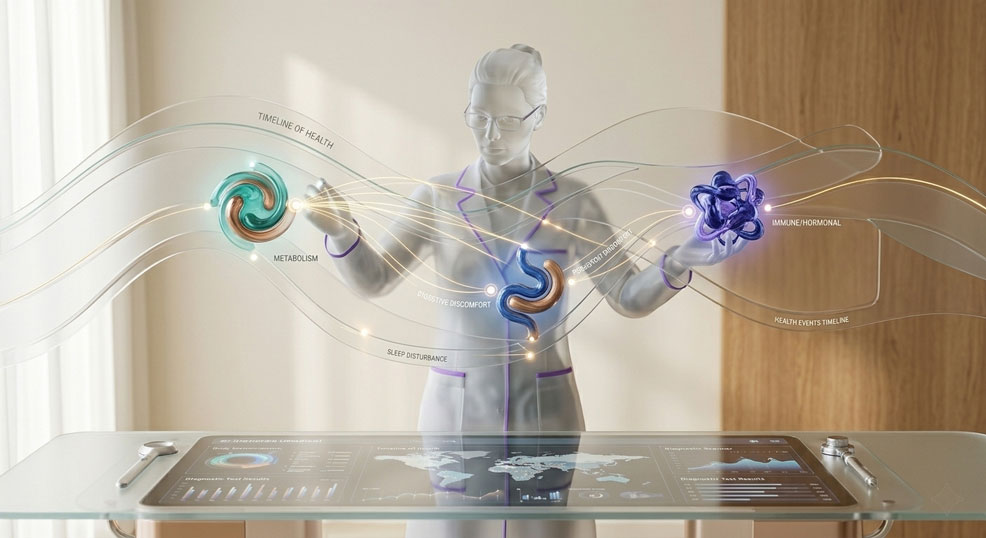
Holistic medicine views postpartum recovery as a whole-person experience rather than a single process with a fixed timeline. This approach recognises that physical recovery, emotional well-being, energy levels, and daily demands are interconnected. For those seeking care from a holistic doctor in Melbourne, the focus is not on rushing recovery or promising outcomes, but on supporting the body and mind as they adapt to significant change over time.
Understanding the Postpartum Recovery Period
After childbirth, the body begins a gradual process of adjustment. Muscles, connective tissues, and internal systems adapt following pregnancy and birth, while daily routines often change rapidly. Hormonal shifts occur alongside interrupted sleep, new responsibilities, and altered physical demands.
Some people notice physical fatigue, muscle soreness, or changes in posture. Others may feel emotionally unsettled as they adjust to new routines and expectations. These experiences vary widely and do not follow a predictable pattern. Recovery timelines differ between individuals and between pregnancies, even for the same person.
Understanding postpartum recovery as a flexible and individual process can help reduce pressure and unrealistic expectations during this period.
Physical Recovery After Childbirth
Childbirth places considerable demands on the body. Muscles, joints, and connective tissues may take time to regain strength and stability. Pelvic floor muscles, abdominal muscles, and the lower back often require particular attention as they adapt after pregnancy.
Postural changes can also occur, influenced by feeding positions, lifting, and prolonged periods of holding an infant. Gentle movement, appropriate rest, and gradual re-engagement with activity are commonly part of physical recovery. Listening to physical cues and respecting individual limits is an important part of this process.
A holistic perspective encourages supporting the body rather than pushing it. Recovery is not a race, and progress may feel uneven at times.
Hormonal Changes Following Pregnancy
Hormonal shifts are a normal part of the postpartum period. Changes in hormone levels can influence energy, mood, sleep, and overall well-being. These shifts do not occur in the same way for everyone and may change over time.
Awareness of hormonal influences can help individuals understand fluctuations in how they feel without assuming something is wrong. A holistic approach focuses on recognising these changes and supporting overall wellbeing rather than aiming to correct hormone levels or achieve balance through specific interventions.
Energy Levels and Postpartum Fatigue
Fatigue is a common experience during postpartum recovery. Interrupted sleep, physical healing, and increased daily demands all contribute to reduced energy levels. Some people notice that their energy varies from day to day rather than steadily improving.
It can be helpful to distinguish between expected tiredness related to sleep disruption and more persistent fatigue that feels difficult to manage. A holistic view considers lifestyle factors, rest patterns, and overall demands rather than focusing on a single cause.
Supporting energy during this time often involves pacing activities, allowing flexibility in daily routines, and recognising that recovery does not follow a straight line.
Emotional Wellbeing During Postpartum Recovery
Emotional adjustment is a normal part of the postpartum period. Changes in routine, responsibility, identity, and sleep can all influence how someone feels. Emotional responses during this time can be varied and may change from day to day.
Holistic medicine recognises emotional well-being as an important part of recovery. Acknowledging emotional needs alongside physical recovery helps support overall health. Creating space for rest, connection, and support can be just as important as addressing physical symptoms.
When emotional distress feels overwhelming or persistent, seeking guidance from a qualified healthcare professional is an important step.
Nutrition and Nourishment in Postpartum Recovery
Nourishment plays a supportive role during postpartum recovery. Regular meals and adequate intake help meet the increased demands placed on the body during healing and the daily care of a newborn.
Nutritional needs may shift after pregnancy, influenced by energy use, sleep patterns, and feeding choices. Rather than focusing on strict dietary rules, a holistic approach emphasises consistency, variety, and nourishment that support recovery.
Nutrition during this period is about support rather than restriction.
The Role of Sleep and Rest
Sleep disruption is common during the postpartum period. Night waking, feeding schedules, and caring responsibilities often mean that rest occurs in short intervals rather than long periods.
A holistic perspective recognises that rest does not always look like uninterrupted sleep. Short periods of rest, reduced demands where possible, and realistic expectations around sleep can support recovery. Rest is viewed as a resource that supports physical healing, emotional well-being, and daily functioning.
Stress and Nervous System Support
Postpartum life can bring increased stress as routines change and demands increase. Stress may influence energy levels, mood, and physical recovery.
Rather than aiming to eliminate stress, holistic medicine focuses on supporting the nervous system and creating moments of pause where possible. Small adjustments, supportive routines, and awareness of stress responses can help reduce overload during this period.
Adaptability and flexibility are key parts of this approach.
How Holistic Medicine Approaches Postpartum Recovery
Holistic medicine takes a whole-person view of postpartum recovery. Physical healing, emotional well-being, lifestyle factors, and daily demands are considered together rather than in isolation.
Care is individualised, recognising that there is no single pathway or timeline that applies to everyone. The focus is on understanding personal experiences, supporting overall health, and adapting care as needs change over time.
This approach complements standard medical care and does not replace routine postpartum checkups or professional advice.
When Additional Support May Be Helpful
At times, additional support may be beneficial during postpartum recovery. Ongoing fatigue, difficulty coping with daily demands, or concerns about physical or emotional well-being may indicate that further guidance could be helpful.
Seeking advice from a qualified healthcare professional allows concerns to be discussed in a supportive and appropriate setting. Early conversations can provide reassurance and help identify suitable next steps.
FAQs
Q1: How long does postpartum recovery usually take?
A1: Postpartum recovery varies widely. Some people feel gradual improvement over months, while others notice changes over a longer period. There is no fixed timeline that applies to everyone.
Q2: Is fatigue normal after childbirth?
A2: Fatigue is common after childbirth due to physical recovery, sleep disruption, and increased daily demands. Energy levels may fluctuate rather than steadily improve.
Q3: Can holistic medicine replace standard postpartum care?
A3: Holistic medicine is intended to complement standard medical care. It does not replace routine postpartum checkups or advice from qualified healthcare professionals.
Q4: Is postpartum recovery the same after every pregnancy?
A4: Recovery experiences can differ between individuals and between pregnancies. Factors such as birth experience, support, and overall health all play a role.
Q5: When should someone seek professional advice during postpartum recovery?
A5: If physical or emotional concerns feel persistent, worsening, or difficult to manage, seeking advice from a qualified healthcare professional is recommended.
Disclaimer
This article is provided for general informational purposes only and is not intended to replace personalised medical advice. Individual health needs vary, and readers are encouraged to consult a qualified healthcare professional for guidance specific to their situation.