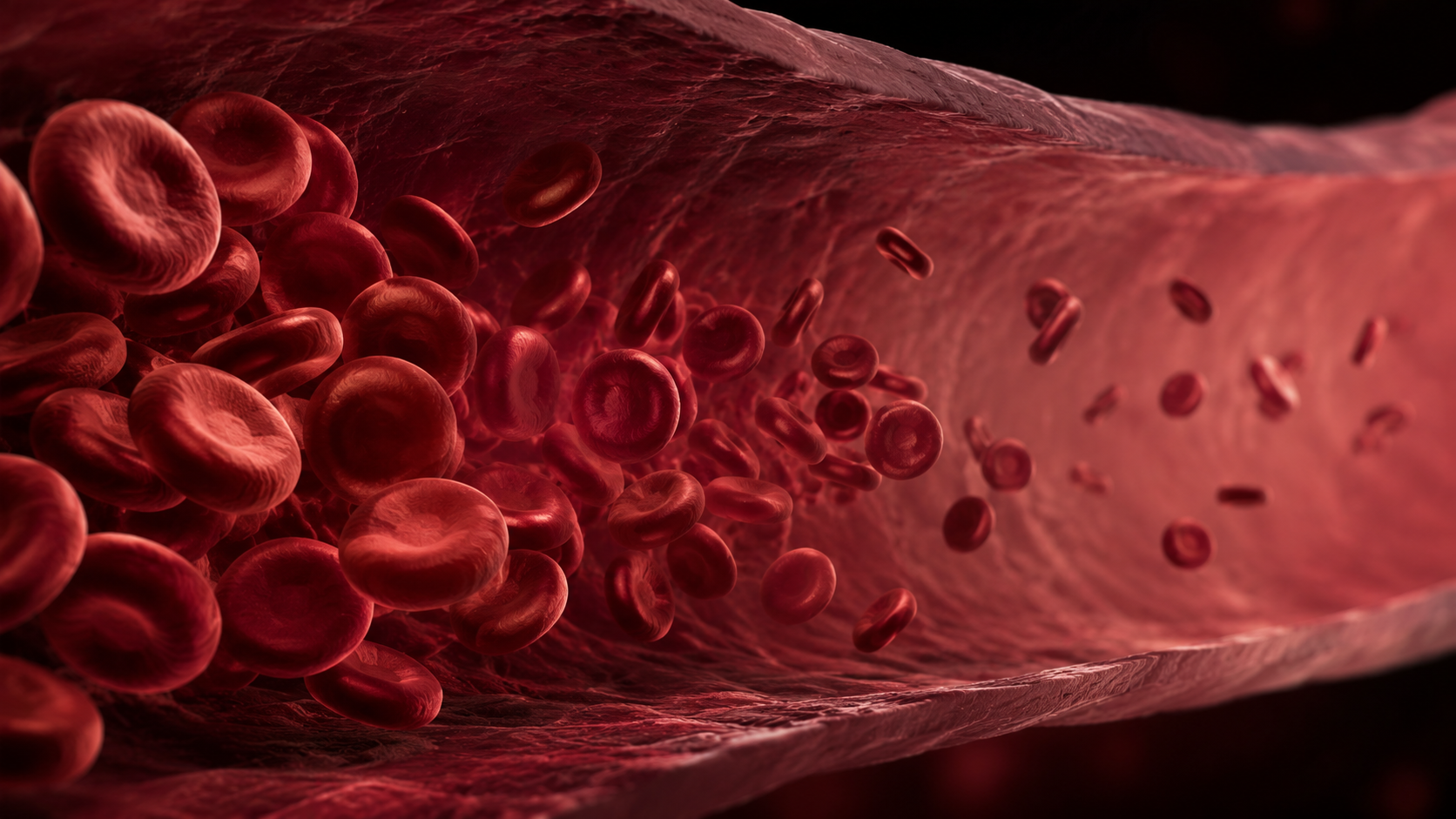
Iron deficiency can sometimes persist or return even after treatment. While this may seem to suggest that treatment has not worked, there can be other explanations. Iron replacement can restore some or all of the depleted iron, but it does not necessarily address the underlying cause of the deficiency.
If iron continues to be lost, absorption is reduced, or the body’s requirements remain high, iron stores may struggle to recover or may decline again. For patients in Victoria who are being assessed for further treatment, including iron infusions in Melbourne, understanding why iron levels remain low is an important part of deciding what should happen next. Clinical review can help determine whether an ongoing factor needs to be investigated rather than simply assuming that more iron is required.
Treatment of Iron Deficiency Anaemia and Identification of the Underlying Cause
Iron deficiency develops because the body’s iron balance remains insufficient to meet its needs. The treatment is aimed at restoring this balance by supplementing iron, but finding out why the balance has become insufficient is an integral part of the treatment.
For example, after being treated, someone can have recovered his or her stores, but he or she still has iron losses. Another situation can be that the oral iron provides the right amount of iron, but it is absorbed poorly. Sometimes there could be ongoing iron requirements that are making it hard to maintain stores adequately.
All these situations could explain the persistent iron deficiency in someone.
Persistent Blood Loss
Ongoing losses of iron are one of the most common reasons for its deficiency, because iron is included in red blood cells. When the losses continue after being treated, then replenished stores could start depleting again.
Heavy or prolonged menstrual bleeding can be one of the sources of the continuing iron losses. Another option could be gastrointestinal bleeding, donating blood, or other types of blood loss. In some cases, however, it is not clear where the loss occurs, especially when it is internal.
Persistent iron deficiency should be evaluated clinically in order to find out the exact source of losses and not to assume where it comes from.
Poor Iron Absorption
Absorption is an important factor, especially if the iron is taken orally. In order to be used by the body, iron needs to be absorbed via the gastrointestinal tract, and the process of its absorption can differ from person to person significantly.
Some gastrointestinal conditions can impact the process of absorption, as well as medications and other factors. The tolerance of the treatment can also be important, because the gastrointestinal side effects can make it difficult for some patients to take oral iron.
Therefore, when the iron levels do not improve in the expected way, the doctor can evaluate whether the absorption or tolerance could be an issue. The assessment depends on the patient’s history and clinical circumstances, and it does not mean that poor absorption is the reason behind deficiency in every case.
Increase in Iron Requirements
The body’s iron requirements can differ at different stages of a person’s life and in different situations. Some of them are pregnancy, menstruation, growth periods, recovery after blood loss, and others.
Whether the increase in requirements leads to the deficiency or not depends on current stores and on the capacity of iron to be absorbed to cover the increased demand.
In case of persistent deficiency, it could be helpful to take into consideration both factors: how much iron is lost and how much it is required by the body.
The Role of the Diet
Diet plays an important role in replenishing the iron stores, but persistent iron deficiency cannot always be attributed to inadequate dietary intake. The amount and type of consumed iron, as well as its absorption, can influence the iron balance of the body.
Reviewing the dietary habits could be helpful when evaluating the persistent deficiency, especially if the iron intake is limited. But in some cases, someone could have an adequate intake of iron but continue to lose iron for other reasons.
When the stores are substantially depleted, it may become hard for someone to replenish them just by changing diet. Therefore, nutrition is considered together with other possible factors instead of being considered as the main reason in every case.
Influence of the Medical Condition on Iron Balance
Some medical conditions can influence iron absorption, loss, or utilisation. For example, gastrointestinal conditions could affect iron absorption and lead to blood loss, while some other medical conditions can make it hard to interpret iron studies.
But it does not necessarily mean that persistent iron deficiency implies the presence of an underlying medical condition. There are many other possible explanations, and they differ for every patient.
Doctors interpret iron studies and other laboratory results in combination with the patient’s symptoms, medical history, and other clinical data in order to find out whether further investigation is necessary or not.
Was the Amount of Iron Replaced Properly?
There are cases when an improvement after the treatment does not mean that iron stores have been replenished fully. The amount of iron that is necessary for replenishment depends on the degree of initial deficiency, presence of anaemia, depletion of stores, and ongoing losses.
In some cases, someone may respond to the treatment having relatively small amount of iron stores replenished. If the losses continue, then these stores can deplete again.
Following up with blood tests can help to evaluate whether the iron status has improved in the proper way and how the stores changed. It is more reliable than basing the treatment response only on symptoms.
Symptoms Do Not Always Mean Iron Deficiency
Symptoms like tiredness, weakness, problems with concentration, and low exercise tolerance can be associated with iron deficiency, but they are not specific to it. In some cases, these symptoms could continue even after treatment and do not necessarily mean that iron levels remain low.
On the contrary, the stores can decrease without causing any symptoms in the early stages.
Therefore, blood testing remains important when assessing the persistence of iron deficiency. Test results can be evaluated together with symptoms and medical history before making decisions regarding further treatment or investigation.
What Doctors Evaluate When the Iron Deficiency Is Persistent
When the iron deficiency is persistent or recurrent, doctors may assess both the initial deficiency and events that followed the treatment. It helps to find out the pattern and to determine whether there is an ongoing factor affecting iron balance.
The possible assessment can include:
- Ferritin and other iron studies
- Haemoglobin and full blood count
- Menstrual or other bleeding history
- Gastrointestinal symptoms
- Diet, medications, supplements
- Previous iron treatment and response
- Further investigations where necessary
It should be emphasised that the aim of this evaluation is to find out the reason for low iron and not just proceed to the next course of treatment.
When Further Treatment Is Required
If the testing proves that there is an iron deficiency, further replacement of the iron may be required depending on the patient’s test results, previous treatment, and clinical factors. In some cases, oral iron can be prescribed, and intravenous iron may be considered if there is a clinical reason to do so.
In addition, it should be taken into account why the deficiency persists. Just replacing the iron without paying attention to the ongoing loss, poor absorption, or other factors can leave the problem unsolved.
For some patients, it may be more appropriate to monitor their stores for some time if there is an ongoing tendency for depletion. This approach allows adjusting management depending on the results and clinical data.
FAQ’s
Q1: What are the reasons for persistent iron deficiency?
A1: Possible reasons can include ongoing blood loss, poor absorption, increased iron requirements, or insufficient restoration of stores. All these factors can differ for each patient.
Q2: Does the persistent iron deficiency mean that the treatment has failed?
A2: No, it does not necessarily mean it has. It can mean that the treatment has replenished the iron successfully, but there is still some other factor which continues to deplete the stores.
Q3: Can the heavy periods lead to recurrence of deficiency?
A3: Yes, heavy and prolonged periods can cause continuing losses and can cause the depletion of stores after the treatment.
Q4: Can the poor absorption cause persistent iron deficiency?
A4: It can cause deficiency in some cases, especially when oral iron is used. Clinical evaluation will allow determining whether it is true for this particular patient.
Q5: What is done when the iron deficiency persists?
A5: Doctors usually evaluate the blood results, previous treatment, ongoing losses, absorption, and other factors in order to make decisions regarding further treatment or monitoring.
Disclaimer
This article is for educational purposes only and does not constitute medical advice. Individual assessment and treatment decisions should be made in consultation with a qualified healthcare professional.