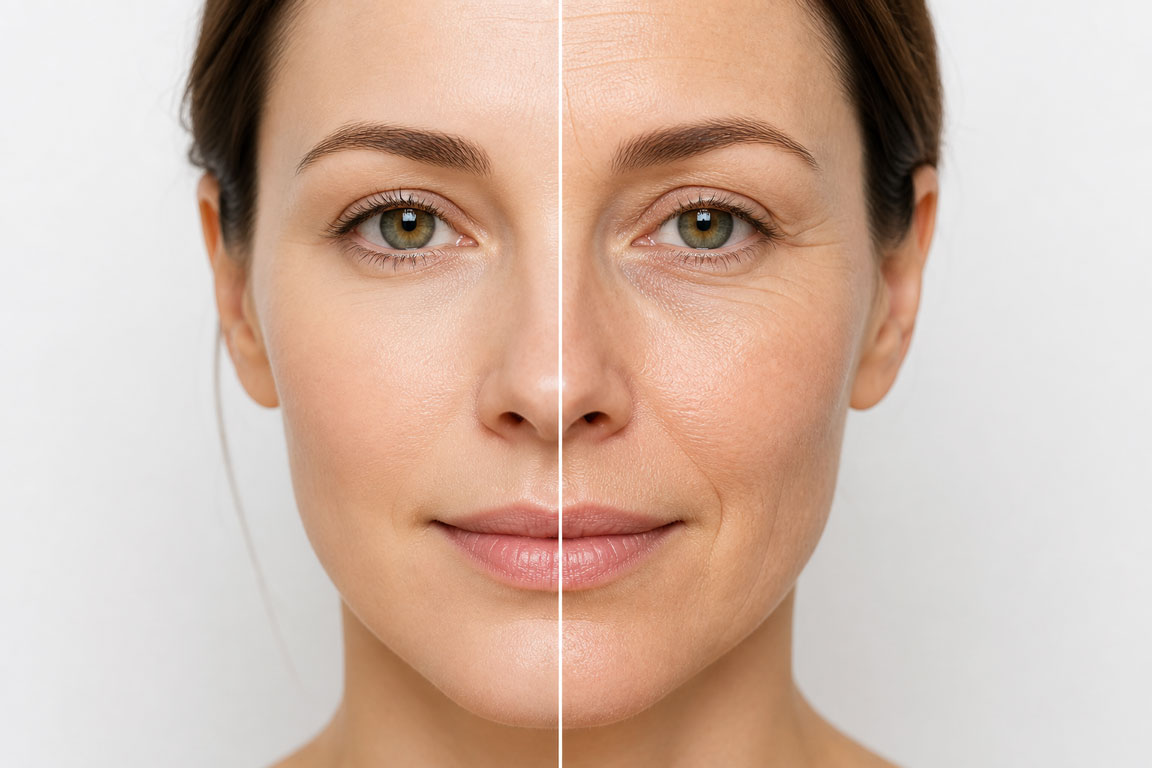
Dermal fillers and anti wrinkle injections are two commonly used cosmetic treatments, but they are designed to address different types of concerns. It is not unusual for patients to view them as interchangeable, particularly when both are used to improve the appearance of lines or facial changes. In clinical practice, however, the choice between them is based on a structured assessment rather than preference alone, including in settings providing cosmetic injectable care in Melbourne. Each treatment targets a different underlying process, and selecting the appropriate option depends on understanding what is causing the concern in the first place.
Doctors approach this decision by looking at how the face changes over time, how different areas behave at rest and during movement, and how structural changes contribute to visible lines. This means the treatment plan is rarely based on a single feature. Instead, it reflects a broader view of facial anatomy, ageing patterns, and individual variation. This approach helps ensure that the selected treatment aligns with the underlying cause rather than just the visible symptom.
Understanding The Difference Between Dermal Fillers and Anti Wrinkle Injections
The key difference between dermal fillers and anti wrinkle injections lies in how they work. Dermal fillers are used to restore or adjust volume in specific areas of the face. They can provide structural support, soften deeper lines, and alter contour where volume has changed over time. Their effect is largely related to shape and support rather than movement.
Anti wrinkle injections, on the other hand, work by reducing muscle activity in targeted areas. Many facial lines form as a result of repeated muscle movement over time. By limiting this movement, these injections can reduce the appearance of lines that are associated with expression. Because they act on muscle function rather than volume, their role is different from that of fillers.
Understanding this distinction is central to treatment planning. These treatments are not direct alternatives in most cases. They are used for different reasons, and choosing between them depends on identifying which underlying factor is responsible for the concern.
Why The Choice Is Not Always One or the Other
In practice, the decision is not always a simple choice between dermal fillers and anti wrinkle injections. Some concerns are clearly linked to one mechanism, but others involve a combination of factors. For example, a patient may have lines that are partly caused by muscle movement and partly influenced by changes in volume or skin support.
In these situations, treatment planning may involve more than one approach. This does not mean that both treatments are always required, but it highlights the importance of individual assessment. Rather than selecting a treatment based on a general preference, doctors consider how different factors interact and whether a single treatment is sufficient to address the concern.
This approach avoids oversimplification and helps ensure that treatment decisions are based on clinical reasoning rather than assumptions.
How Facial Assessment Guides Treatment Decisions
Facial assessment is a central part of deciding between dermal fillers and anti wrinkle injections. Doctors assess the face both at rest and during movement to understand how lines form and how different areas behave. This includes looking at skin quality, facial structure, and patterns of muscle activity.
Assessment also involves considering how volume is distributed across the face. Changes in volume can affect the way light reflects on the skin and how features appear in relation to one another. These changes can contribute to the appearance of lines or shadows, even in the absence of significant muscle activity.
By combining these observations, doctors can identify whether a concern is primarily related to movement, volume, or a combination of both. This forms the basis for selecting the most appropriate treatment approach.
When Dermal Fillers May Be Considered
Dermal fillers may be considered in situations where changes in volume or structure are contributing to the appearance of lines or facial features. This can include areas where volume has reduced over time, leading to hollowing or loss of support. In these cases, restoring volume can help improve contour and reduce the appearance of certain lines.
They may also be used where deeper lines are present at rest, particularly when those lines are not primarily caused by muscle movement. By providing structural support beneath the skin, fillers can soften these lines without affecting muscle function.
The decision to use dermal fillers is based on whether volume loss or structural change is a significant factor. It is not determined by the presence of lines alone, as not all lines are related to volume.
When Anti Wrinkle Injections May Be Considered
Anti wrinkle injections may be considered when muscle activity is the main contributor to visible lines. These are often referred to as dynamic lines, meaning they appear or become more prominent during facial expressions such as frowning, raising the eyebrows, or smiling.
Common areas include the forehead, the area between the eyebrows, and around the eyes. In these cases, repeated muscle movement over time contributes to the formation of lines. Reducing this movement can help soften their appearance.
The suitability of this treatment depends on whether muscle activity is the primary cause of the concern. If lines are present even when the face is at rest, other factors may also need to be considered.
How Doctors Identify the Underlying Cause of Lines
Identifying the cause of lines is a key step in treatment planning. Doctors differentiate between dynamic lines, which are linked to movement, and static lines, which are present at rest. This distinction helps determine whether muscle activity, volume loss, or other factors are involved.
Dynamic lines tend to respond to treatments that reduce muscle movement, while static lines may be influenced by structural changes or skin quality. In many cases, both types of lines can be present, which adds complexity to the assessment.
By observing how the face behaves in different conditions, doctors can determine which mechanism is most relevant. This ensures that treatment is directed at the cause rather than just the appearance.
Situations Where Combination Treatment May Be Used
Some patients present with a combination of factors that contribute to their concerns. For example, there may be areas where muscle activity has created lines, alongside changes in volume that affect overall facial balance. In these situations, a combination approach may be considered.
Combination treatment does not necessarily mean that both treatments are used at the same time. In many cases, treatments are staged, allowing the effects of one approach to be assessed before introducing another. This helps maintain a controlled and measured approach to treatment.
The decision to combine treatments is based on clinical judgement and the specific characteristics of the concern being addressed.
Factors That Influence Treatment Selection
Several factors influence the choice between dermal fillers and anti wrinkle injections. These include the nature of the concern, the underlying cause, and the patient’s overall health and medical history. Previous treatments and how the patient responded to them may also be relevant.
Patient goals and expectations are considered as part of the process, but they are balanced against what is clinically appropriate. This ensures that treatment decisions remain grounded in safety and suitability rather than preference alone.
Each treatment plan is individualised, reflecting the fact that facial structure, ageing patterns, and response to treatment vary between individuals.
What Each Treatment Cannot Address
Understanding the limitations of each treatment is an important part of setting realistic expectations. Dermal fillers do not reduce muscle movement, so they are not suitable for lines that are primarily caused by expression. Using fillers in these cases would not address the underlying cause.
Anti wrinkle injections do not restore lost volume or provide structural support. As a result, they are less effective for deeper lines that are present at rest or for concerns related to facial contour. Recognising these limitations helps guide appropriate treatment selection.
By understanding what each treatment cannot address, doctors can avoid applying treatments in situations where they are unlikely to be effective.
Why Assessment Matters More Than Treatment Preference
Treatment decisions in cosmetic practice are not based on trends or general preference. They are guided by assessment, which determines whether a treatment is suitable for a specific concern. Without this process, there is a risk of selecting an approach that does not align with the underlying cause.
Assessment provides a framework for understanding how different factors contribute to the appearance of lines or facial changes. This ensures that treatment is applied in a way that is consistent with clinical reasoning and individual needs.
Setting Realistic Expectations
Realistic expectations are an important part of any treatment plan. Dermal fillers and anti wrinkle injections can address specific aspects of facial ageing or change, but they do not alter all contributing factors. Results depend on the nature of the concern and how it responds to the chosen treatment.
In some cases, a single treatment may be sufficient, while in others, a broader approach may be needed. Treatment plans may also change over time as the face continues to change. Understanding this helps ensure that expectations remain aligned with what each treatment can reasonably achieve.
FAQs
Q1: What is the main difference between dermal fillers and anti wrinkle injections?
A1: Dermal fillers are used to restore volume or structure, while anti wrinkle injections reduce muscle activity that contributes to expression lines.
Q2: Can dermal fillers and anti wrinkle injections be used together?
A2: Yes, in some cases a combination approach may be considered when both volume and muscle activity contribute to the concern.
Q3: How do doctors decide which treatment is right?
A3: Doctors assess facial structure, movement, and the underlying cause of lines to determine which treatment is most appropriate.
Q4: Are dermal fillers better than anti wrinkle injections?
A4: Neither is better overall. They serve different purposes and are selected based on the specific concern being treated.
Q5: Can one treatment replace the other?
A5: In most cases, no. Each treatment addresses different underlying factors and is not a direct substitute for the other.
Disclaimer
This article is for educational purposes only and does not constitute medical advice. Individual assessment and treatment decisions should be made in consultation with a qualified healthcare professional.